Visiting famous landmarks is often a big part of travelling through Asia, but some of the most memorable moments happen away from the usual tourist trail. It might be learning to prepare a regional dish with a local cook, discovering the story behind a traditional craft or spending an afternoon exploring a neighborhood with someone who knows it well.
For travelers planning holidays in Asia, these experiences can add a more personal dimension to the journey. TransIndus offers a starting point for exploring trips that combine cultural discovery, local traditions and distinctive experiences across the continent. With so many different cultures, landscapes and cuisines to discover, Asia offers plenty of opportunities to make a holiday about more than ticking landmarks off a list.
The secret is to choose experiences that connect you with the places you visit. A few thoughtful additions to your itinerary can change how you remember a destination long after you return home.
Learn to Cook the Food You Love
Food is one of the easiest ways to discover a different side of a destination. You might already enjoy Thai curries, Indian regional dishes or Japanese cuisine, but learning how they are prepared can give you a much better understanding of the ingredients, techniques and traditions behind them.
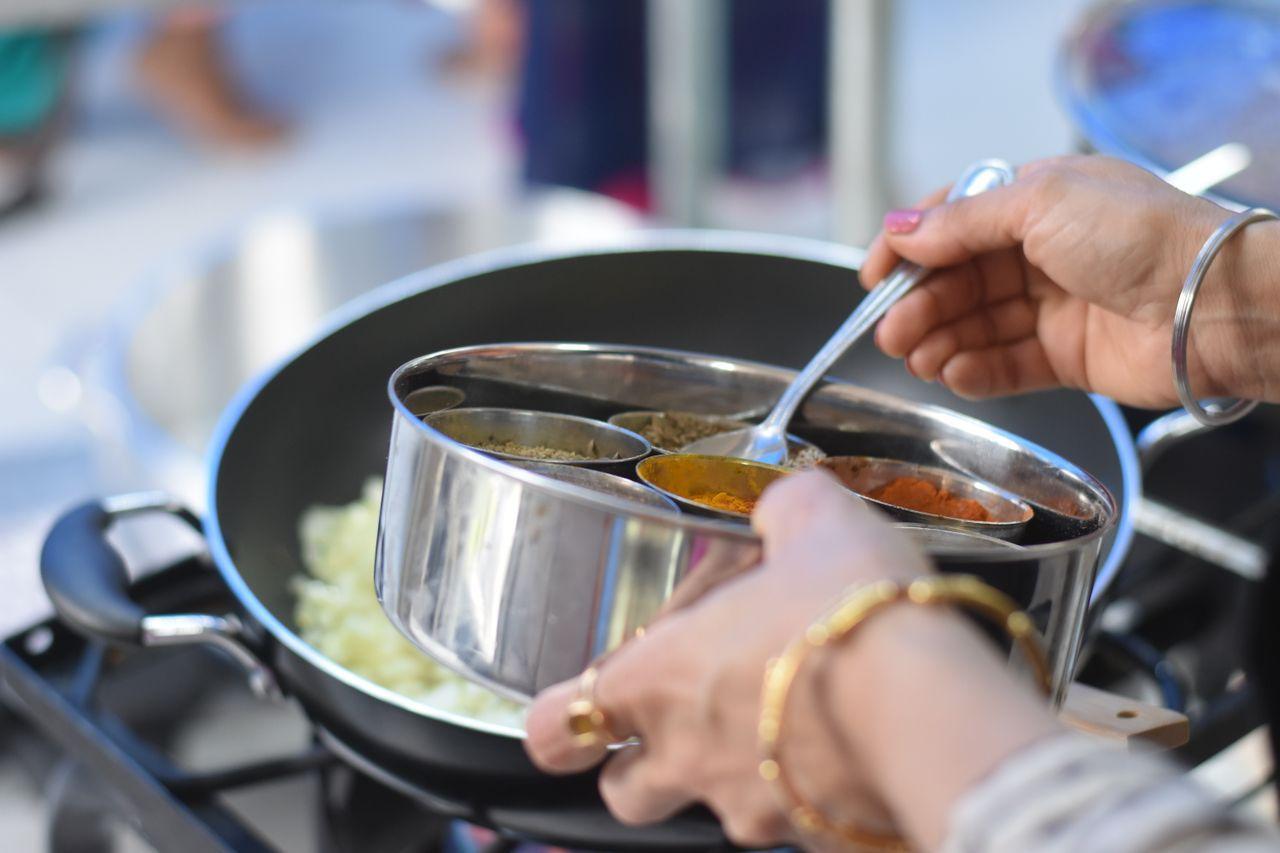
Cooking classes are available across many Asian destinations, often led by local cooks who share recipes that have been passed down through generations. Depending on where you travel, you might learn to make fresh noodles, prepare a traditional curry paste or balance the flavours that give a regional dish its distinctive character.
Some experiences begin at a local market, where you can discover unfamiliar vegetables, spices and seasonal ingredients before heading into the kitchen. This can be particularly interesting in countries where different regions have their own culinary traditions.
You do not need to be an accomplished cook to benefit. The experience is as much about understanding the food culture as it is about following a recipe. You may even return home with a new favorite dish to prepare for friends and family.
The experience is as much about understanding the food culture as it is about following a recipe.
Explore With a Knowledgeable Local Guide
Famous attractions are popular for good reason, but their history and cultural significance can be difficult to appreciate without some context.
A knowledgeable local guide can explain details that might otherwise go unnoticed, from the symbolism behind temple carvings to the stories attached to an old street or historic building. They may also introduce you to neighborhoods, markets and smaller attractions that are not always included in standard sightseeing itineraries.
In cities such as Kyoto, for example, a guided walk can help visitors understand the relationship between traditional architecture, local customs and everyday life. In India’s historic cities, a guide might explain how different communities, trading routes and architectural styles have shaped the places visitors see today. For more ideas, these ways to discover richer local experiences while travelling explore how conversations with residents, neighborhood discoveries and local food can take a trip beyond the usual tourist trail.
The best guided experiences also leave room for questions. Rather than simply following a predetermined route, you can explore the subjects that interest you most.
What to look for when choosing a guide:
- Relevant local knowledge of the neighborhood, site or tradition you want to understand
- Good, recent reviews from travelers with similar interests
- Small groups or private tours, which leave more room for questions than large excursions
- Flexibility to follow your curiosity rather than a fixed script
Discover Traditional Crafts and Creative Skills
Asia has a rich tradition of crafts, many of which remain closely connected to local identity and history. Textiles, pottery, woodwork, painting and printmaking can all offer a different way to experience a destination.
A workshop allows you to see the skill involved rather than simply admiring the finished product in a shop. You might learn about traditional fabric-dyeing methods, try your hand at pottery or watch an artisan demonstrate a technique developed over many years.
In Jaipur, India, for instance, travelers can explore the city’s long associations with block printing and jewelry making. In Japan, selected workshops introduce visitors to traditional arts such as pottery and calligraphy.
These experiences are often rewarding because they encourage you to slow down and concentrate on the process. They also give you a greater appreciation of the time and skill behind objects that might otherwise be treated as souvenirs.
Look for workshops led by local practitioners, and check whether the activity is suitable for beginners. Buying directly from an artisan, where possible, can also be a useful way to support local creative businesses.
Spend Time With Local Communities
Understanding a destination involves more than learning about its famous buildings or traditions. Everyday life, from the way people prepare meals to the places where they gather, can reveal just as much about a culture.
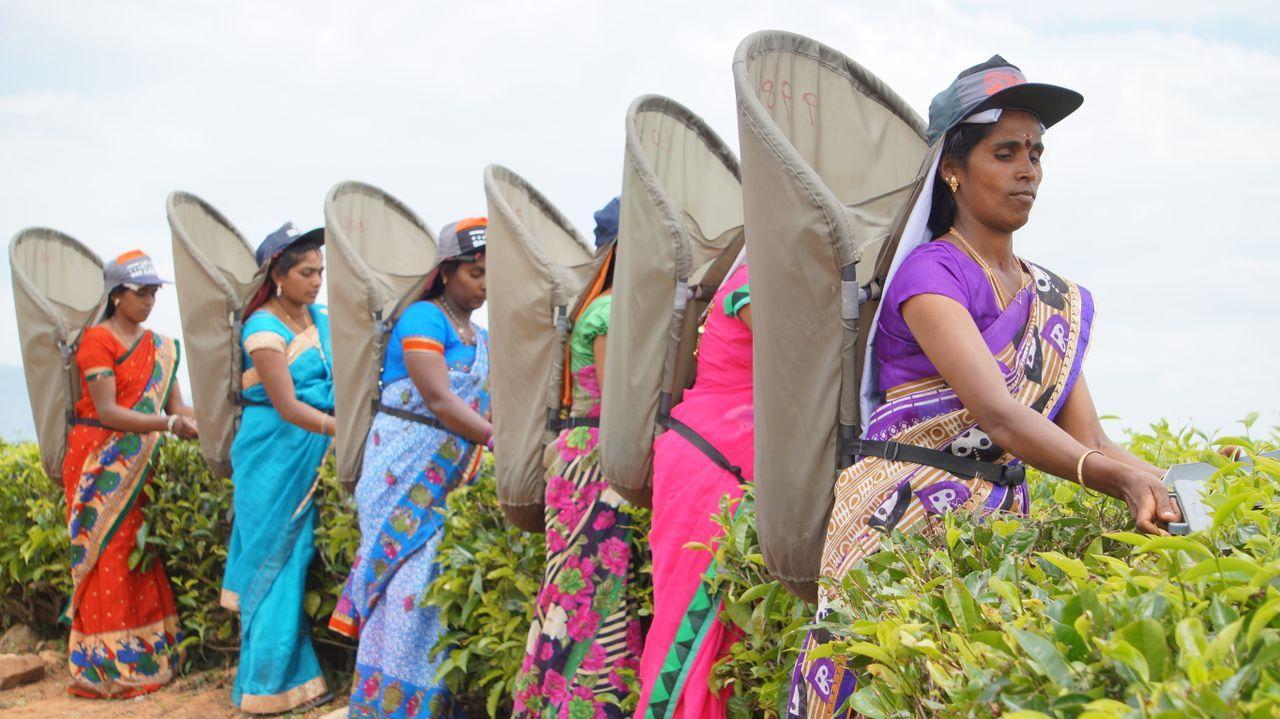
Community-led experiences may include visiting a village, sharing a meal with a local host or learning about traditional livelihoods. Depending on the destination, you might discover how tea is grown, how a fishing community works or how local ingredients are used in everyday cooking. A longer stay can deepen this kind of connection, as this account of a month-long trip to Bali shows.
The important thing is to choose experiences that are organized respectfully and genuinely welcomed by the people involved. A community visit should be an opportunity for learning and exchange, not an arrangement in which residents feel expected to perform for visitors.
Before booking a community experience, check:
- Who runs it, and whether local people are involved in organizing it
- How visitors are expected to behave
- Whether local participants benefit from the arrangement
- Whether photography is welcome, and always ask before taking pictures
Approach conversations with curiosity and listen to your hosts. These simple considerations can help make the experience more comfortable and meaningful for everyone.
Experience Festivals and Cultural Traditions
Festivals can offer an extraordinary insight into a destination’s identity. Music, dance, religious ceremonies, seasonal celebrations and public events reveal traditions that may not be obvious during an ordinary sightseeing visit.
Asia’s calendar includes a wide variety of celebrations, from Lunar New Year events in several countries to India’s regional festivals and traditional celebrations in Japan, Thailand and Sri Lanka. Each has its own customs, significance and atmosphere. Deepavali, for example, was recognised in December 2025 as part of humanity’s intangible cultural heritage. The recognition highlights the festival’s role in bringing communities together and passing traditions between generations; learn more about Deepavali’s cultural significance and traditions.
If a festival interests you, research its dates and meaning before planning your trip around it. Dates can change from year to year, and major celebrations may affect transport, accommodation availability and opening hours.
It is equally important to understand how to participate respectfully. Some events are open public celebrations, while others involve religious or community practices that require visitors to observe from a distance. Dress codes, photography restrictions and other local expectations may apply.
Experiencing a festival with some understanding of its background can make the occasion far more interesting than simply arriving to watch the crowds.
Let Local Food Guide Your Journey
Cooking classes offer a hands-on introduction to a cuisine, but exploring everyday food culture can be just as rewarding.
A visit to a market reveals ingredients and seasonal produce, while a meal at a family-run restaurant may introduce dishes that rarely appear on international menus. Street food can also provide a useful window into local eating habits, especially in destinations where particular snacks and quick meals are part of daily life.
In Vietnam, for example, travelers might explore the variety of noodle soups, fresh herbs and regional specialties found in different cities. In India, the food can change dramatically between regions, with distinct approaches to spices, breads, rice and vegetarian cooking.
Consider joining a food walk or asking a local guide for recommendations. These experiences can help you discover places that suit your preferences while learning more about the ingredients and traditions behind each dish. For another perspective, follow these experiences along the Indian Ocean’s historic spice routes, which explore the spice trade through the cuisines and histories of places such as Sri Lanka and Kerala.
If you have food allergies or dietary requirements, explain them clearly before ordering or joining an organized meal. It is also sensible to choose food vendors who handle ingredients carefully and maintain good hygiene. A few simple travel wellness habits, such as staying hydrated and eating regularly, can also help you enjoy new foods with more comfort.
Choose Experiences That Reflect Your Interests
You do not need to book every available activity to make a holiday more meaningful. The aim is to choose experiences that genuinely interest you.
Match the experience to the traveler:
- Food lovers: a cooking class or market tour
- History enthusiasts: a specialist guide exploring architecture and heritage
- Wildlife enthusiasts: a guided nature excursion
- Makers and creatives: a craft workshop
- Outdoor lovers: a forest walk, countryside cycling trip or boat journey along a historic waterway
Outdoor activities can offer another perspective. A guided walk through a forest, a cycling trip through the countryside or a boat journey along a historic waterway can reveal parts of a destination that are easy to miss when travelling only between major attractions.
Think about what you most enjoy doing at home and look for opportunities to explore those interests in a different cultural setting.
It is also worth combining familiar highlights with one or two less conventional experiences. You can still visit a famous temple, monument or museum while making time for a local food tour or a practical workshop nearby.
Plan Ahead Without Overloading Your Itinerary
Some experiences, particularly small-group workshops, specialist tours and seasonal activities, need to be booked in advance. Researching them before departure can help you avoid disappointment and make the most of your time.
Check what is included, how long the activity lasts, where it takes place and whether transport is provided. Consider accessibility, clothing requirements and any language arrangements that could affect your experience. A thorough international travel checklist can help you cover documents, packing and staying connected before you go.
At the same time, avoid filling every day with organized activities. A tightly packed schedule leaves little room for unexpected discoveries or the simple pleasure of enjoying somewhere you have just arrived.
A simple rhythm for each day:
- Choose one main experience, such as a cooking class, guided walk or workshop
- Pair it with one familiar highlight nearby, like a temple or museum
- Leave the rest of the day open for wandering, meals and rest
You might visit a historic attraction in the morning and join a cooking class later, or spend the afternoon exploring a market after a guided walk.
When visiting several destinations, consider travel time carefully. An activity that looks close on a map may involve a longer journey than expected, especially in busy cities or mountainous regions. It is also wise to allow for extras that are easy to overlook when budgeting, which this guide to hidden travel costs covers.
Support Local Businesses Through Your Choices
The experiences you choose can influence how tourism benefits the places you visit.
Booking local guides, eating at independent restaurants, purchasing crafts directly from makers and choosing locally run accommodation can help direct spending towards businesses within the destination.
This does not mean every activity needs to be community-based. Simply making thoughtful choices can broaden your experience while supporting the people who contribute to local culture and everyday life.
Consider how wildlife excursions are operated, too. Choose reputable providers that follow responsible viewing practices and avoid experiences involving animal handling or activities that cause unnecessary disturbance.
For cultural visits, respect local customs and remember that not every place or tradition is intended for tourists. Following guidance from hosts and local organizers helps protect the character of the experience.
Make Room for Experiences That Stay With You
A memorable Asian holiday does not have to be measured by the number of attractions visited or the distance covered. Often, it is the smaller experiences that leave the strongest impression: learning to prepare a new dish, understanding the history behind a local tradition or discovering a neighborhood through the eyes of someone who lives there.
These moments add depth to the places you visit. They can turn a familiar destination into something more personal and help you understand how culture, food, history and everyday life fit together.
You can still enjoy the famous landmarks. Simply make room for something beyond them.
Choose activities that match your interests, take time to learn from local people and approach unfamiliar traditions with curiosity and respect. You may return home with photographs of the highlights, but it is often the experiences in between that give you the best stories to tell.
The post How to Make Your Next Asian Holiday More Than a Sightseeing Trip appeared first on Better Living.
from Better Living https://ift.tt/jB4lTkv
0 Comments
Post a Comment